Cash flow
Cash flow vs profit: why the bank balance feels different
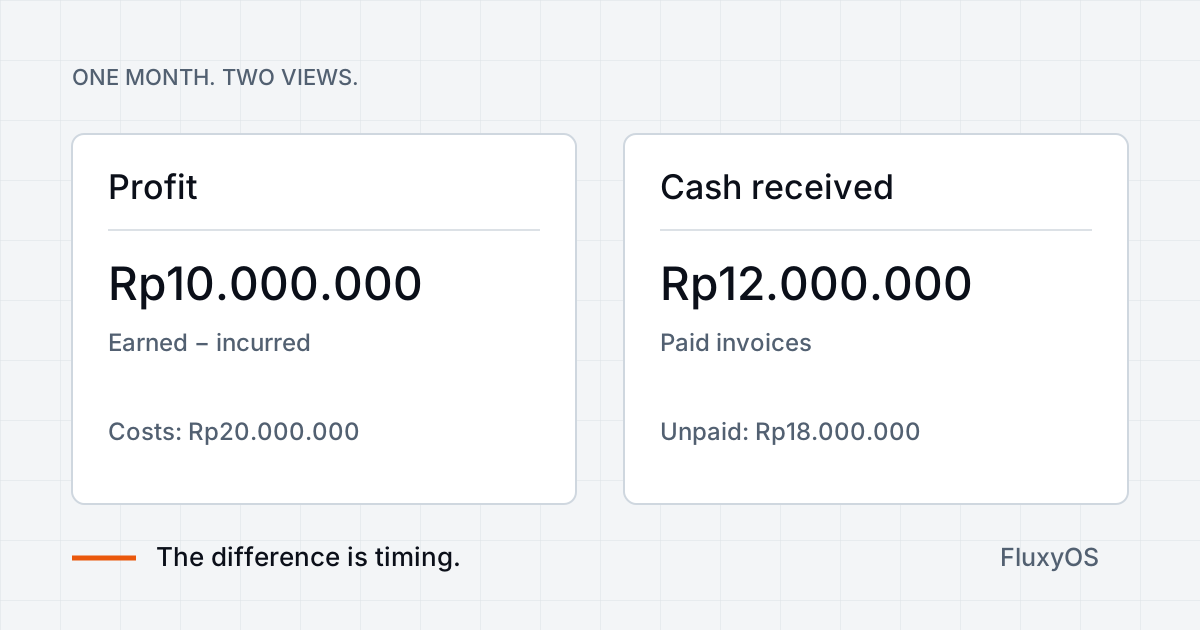
A profitable month can still leave cash short. Follow the timing of invoices and payments to see why.
Practical answers for the financial decisions you make every day.
Featured guide Cash flow
A profitable month can still leave cash short. Follow the timing of invoices and payments to see why.
Read the guide7 practical guides
Cash flow
A profitable month can still leave cash short. Follow the timing of invoices and payments to see why.
Budgeting
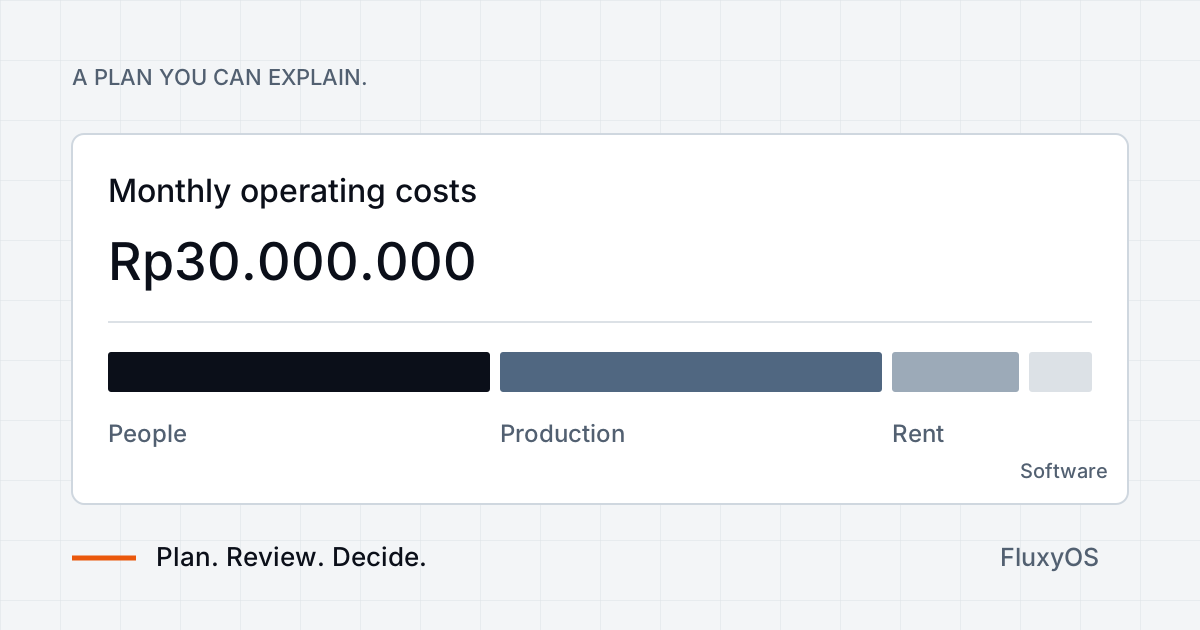
Turn expected work, recurring costs, and upcoming commitments into a monthly plan your team can explain.
Bookkeeping
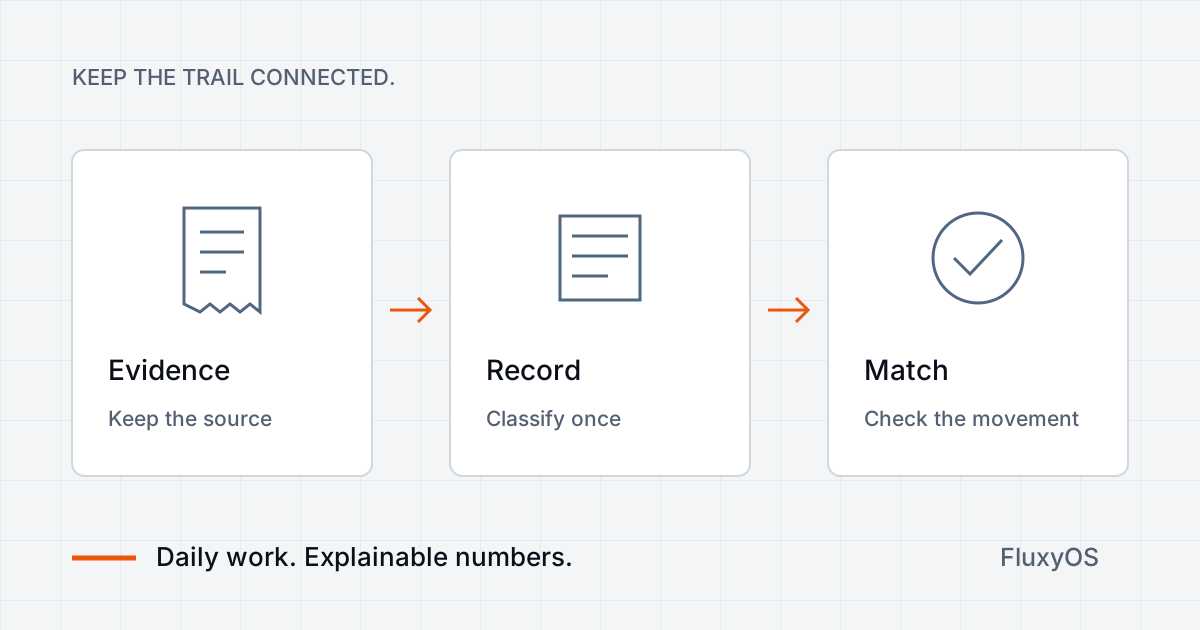
From the first receipt to the last bank line: a repeatable routine that keeps daily work connected to the books.
Accounting
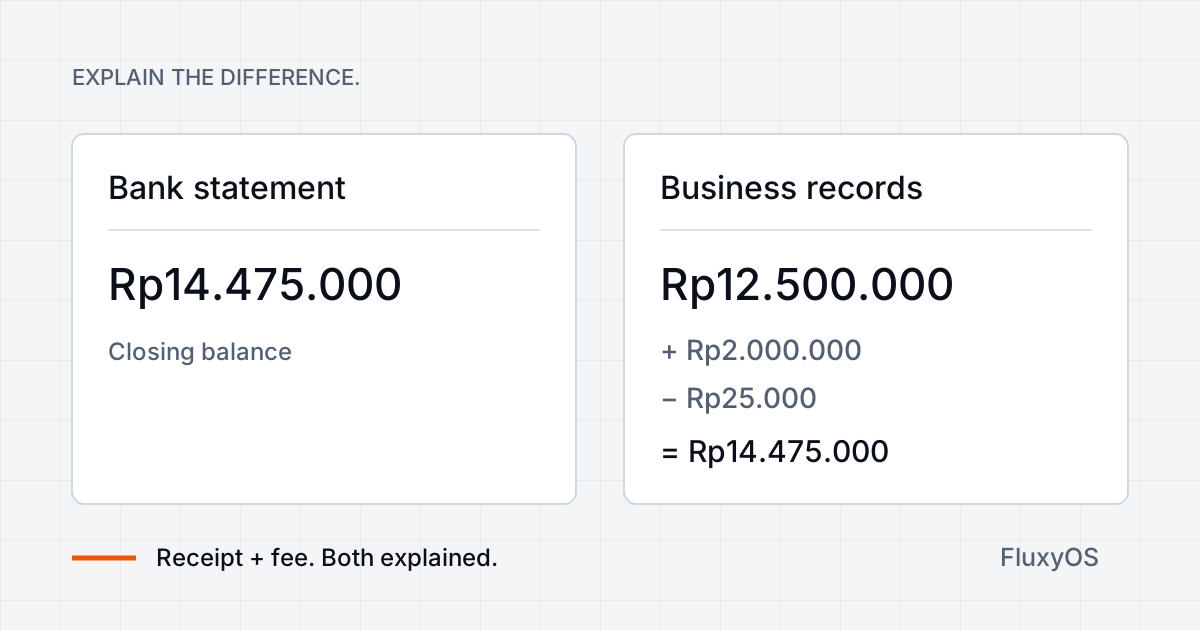
Match the statement to your records, explain the difference, and correct the cause without inventing a balancing transaction.
Budgeting
An overrun is a starting question. Work out how much came from more activity, higher unit costs or a change in timing.
Cash flow
A marketplace deposit is a settlement of several movements. Rebuild the bridge from orders to the money received.
Cash flow
Turn verified bills into a dated cash plan. See how a delayed customer receipt changes which payments are funded.
Try a shorter phrase, choose another topic, or clear the search and filters.
Six ways into everyday business finance.
Why is cash tight when sales look healthy?
What can the business afford to commit?
What should be recorded before the day ends?
How do daily records explain the numbers?
Where is the money going?
How does today’s work affect the finances?
Cash flow
Turn verified bills into a dated cash plan. See how a delayed customer receipt changes which payments are funded.
Budgeting
An overrun is a starting question. Work out how much came from more activity, higher unit costs or a change in timing.
Cash flow
A marketplace deposit is a settlement of several movements. Rebuild the bridge from orders to the money received.
Cash flow
A profitable month can still leave cash short. Follow the timing of invoices and payments to see why.
Budgeting
Turn expected work, recurring costs, and upcoming commitments into a monthly plan your team can explain.
Bookkeeping
From the first receipt to the last bank line: a repeatable routine that keeps daily work connected to the books.
Accounting
Match the statement to your records, explain the difference, and correct the cause without inventing a balancing transaction.